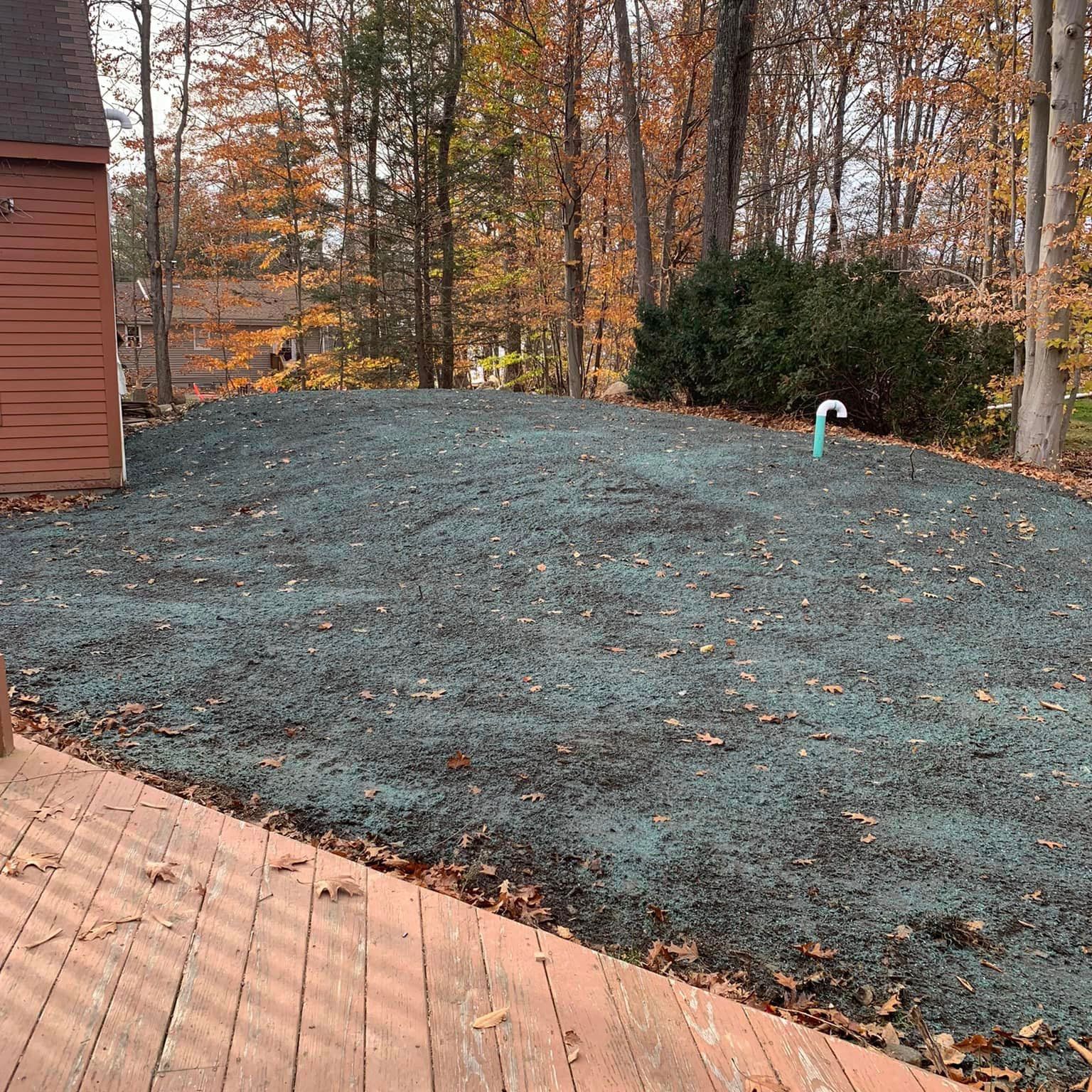
Ever wonder why some septic systems are raised above the rest of the ground?
Some septic systems need to sit higher than the surrounding ground for a simple reason: groundwater. To work properly, the leach field must be installed at least four feet above the seasonal high groundwater level so the sand and soil have enough depth to filter wastewater before it returns to the environment.
Even in these conditions, the goal is to build the system as cleanly and naturally as possible, shaping and grading the area so it blends into the yard rather than leaving an abrupt, “ugly” mound whenever the site allows.
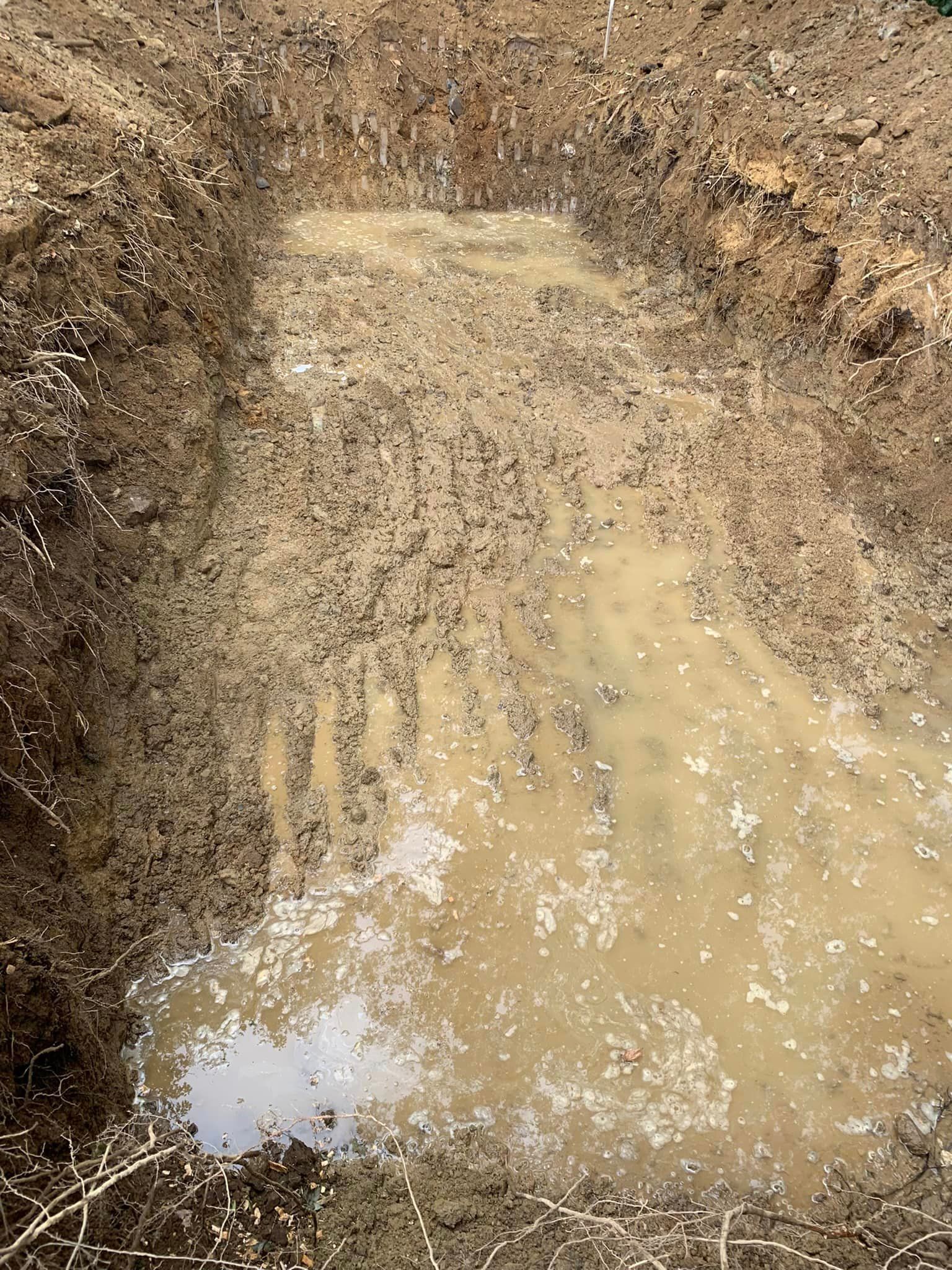
In this case, the site was excavated down below the groundwater to reach a strong layer of sandy soil that allows water to move through it easily. That soil choice matters because it supports effective filtration and drainage. If poor or unsuitable soil is left beneath the system, water may not pass through as it should, which can cause the system to back up or fail.
Overloaded septic systems often fail for two main reasons: too much water entering the system and harmful chemicals disrupting the biology that makes treatment possible. When a system receives more water than it was designed to handle, wastewater doesn’t have enough time to settle and separate in the tank. Solids can get pushed into the leach field, the soil can become saturated, and the system may show obvious warning signs like plumbing backups, slow drains, sewage odors, or wastewater surfacing on the ground.
Septic systems rely on naturally occurring bacteria and other microorganisms to break down waste. Certain substances can disrupt this biology, including harsh disinfectants, solvents, paints, pesticides, antifreeze, and excessive amounts of bleach. In some households, strong prescription medications can also contribute to this problem, especially during intensive treatments such as chemotherapy can impact your septic, because medication residues pass through the body and enter the septic tank.
To protect system performance and extend its lifespan, manage water use and what goes down the drain. Fix leaking fixtures, spread out high-water activities (like laundry) over the week, and direct roof and foundation drains away from the drain field. Just as critical, avoid flushing or dumping chemicals, grease, wipes, or other non-biodegradable materials, and use septic-safe cleaners in moderate amounts.
Regular inspections and
tank pumping on an appropriate schedule also help prevent overload-related failures.
Failing Septic Systems Can Be Hazardous to Your Health
Septic systems that have been properly maintained help prevent the spread of disease.
Failing systems can:
- cause a serious health threat to your family and neighbors
- degrade the environment, especially lakes, streams and groundwater
- reduce the value of your property
- be very expensive to repair
Be alert to these warning signs of a failing system:
- sewage surfacing over the drainfield (especially after storms)
- sewage back-ups in the house
- lush, green growth over the drainfield
- slow draining toilets or drains
- sewage odors
Given the elevated water table in many hill town communities in Wilbraham, Hampden, Ludlow, and Monson, and increasingly unpredictable seasonal weather that can bring continuous rainfall, it’s recommended to schedule a thorough septic system assessment to help identify early warning signs of potential issues before they become costly problems.
Contact us today and ensure the longevity and functionality of your septic system.
SHARE THIS POST