
Septic System Cleaning
We offer septic tank cleaning for residential customers with tanks of any size, proudly serving Wilbraham, Hampden, Ludlow, Palmer, Monson, East Longmeadow, and Longmeadow.
Septic Tank Pumping
A residential septic system is one of your property's most critical and costly infrastructure components. Hidden underground, it is easy to overlook until issues arise. Regular septic tank pumping removes built-up sludge and scum, avoiding expensive repairs while extending the system's lifespan. Each cleaning includes a thorough inspection with clear recommendations to keep it running efficiently.
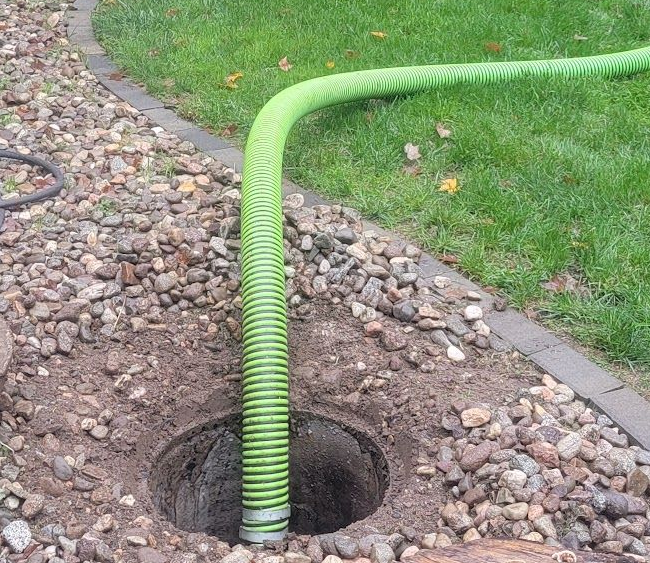
Regular septic pumping and cleaning
MassDEP recommends pumping at least once every 3 years for homes without a garbage disposal and every year if the home has a garbage disposal. Regular septic pumping and cleaning is preventative maintenance that removes built-up solids from the tank so they do not carry over into the drain field and cause clogs or premature failure.
What septic pumping and cleaning includes
- Pumping out the tank to remove accumulated solids and scum.
- A system check during service so problems can be caught early (for example, signs the tank is overfull or the system is not flowing properly).
How often to schedule service
- Typical guidance is pumping every 3 to 5 years for many households, but it varies with tank size, household size, and water use.
- Systems with pumps, floats, or other mechanical components generally need more frequent inspections, often yearly.
Signs you may be overdue
Slow drains, gurgling, sewage odors, backups, or wet/ponding areas over the drain field can indicate the system needs attention.
Septic Cleaning Services Frequently Asked Questions
Do I need to be there for the pumping service?
No. As long as the tank location is clearly marked and the access cover is exposed, the technician can complete the service without anyone home. If the lid needs to be dug up, digging can usually be added for an extra fee.How much does it cost to have my tank pumped?
For a 1500 gallon tank it will cost $475 to pump. Other size tanks will be charged by the gallon of the tank.How do I know if I need a pumpout?
A septic tank should typically be pumped every two years, depending on its size and usage, to prevent solids from accumulating and potentially causing damage to the system. However, the frequency of pumping can vary depending on factors such as the number of people in the household, the size of the tank, and the amount of wastewater produced. If you are already a customer, you will receive an email reminder from us when you are close to being due for service.Do you repair or replace septic systems, or just pump tanks?
Yes! We do much more than pump tanks — our team handles inspections, repairs, and complete system replacements, including leach fields and distribution boxes.How often should I pump my septic tank?
Many households need septic pumping every 2–3 years, but the ideal schedule can vary based on several factors. The size of your tank, the number of people in your home, and how much water you use all play a big role. Hosting frequent gatherings, using a garbage disposal, or doing lots of laundry can also cause your tank to fill more quickly. Regular pumping helps prevent backups, unpleasant odors, and costly system damage — keeping your septic system working efficiently year-round.How do I know if I need a pump-out sooner?
Warning signs can include slow drains, gurgling toilets, unpleasant sewage odors, wet or spongy areas over your leach field, or even sewage backing up into sinks and showers. If you notice any of these issues, it’s important to act quickly, they can indicate that your tank is nearing capacity or that there’s a problem developing in your system. Earth Movers can inspect your septic system, determine whether it needs to be pumped, and help prevent further damage. Catching these signs early can save you from costly repairs and keep your system running smoothly.How should I prepare for my septic pumping appointment?
To help your appointment go smoothly, make sure the area around your septic tank is easily accessible. Move vehicles, equipment, or outdoor furniture out of the way, and clear any brush or debris. If your yard is fenced, be sure the gates are unlocked before the Earth Movers crew arrives. If you plan to uncover the tank lid yourself, have it fully exposed and ready for service. Otherwise, Earth Movers can locate and uncover the lid for you. Taking these steps ahead of time saves time during your appointment and ensures the pumping process is quick, efficient, and hassle-free.Will pumping my tank fix a failing leach field?
Septic tank pumping can temporarily help by relieving pressure in your system and preventing additional damage. However, it won’t permanently fix a saturated or failing leach field. A leach field failure usually happens when the soil becomes clogged or compacted, preventing wastewater from filtering properly. In these cases, additional steps such as leach field rejuvenation, system repairs, or full replacement may be necessary to restore your septic system. Earth Movers can inspect your system, determine the cause of the issue, and recommend the best long-term solution to get your leach field functioning properly again. Regular pumping and maintenance from Earth Movers are also key to preventing future failures.What should I avoid flushing into my septic system?
To keep your septic system working properly, avoid flushing or draining anything that doesn’t easily break down. This includes wipes (even those labeled “flushable”), paper towels, feminine hygiene products, diapers, grease, oils, coffee grounds, and food waste. You should also avoid pouring harsh chemicals, paint, solvents, or household cleaners down drains, as these can kill the beneficial bacteria your septic system relies on to break down waste. Over time, these materials can create clogs, damage pipes, or cause system backups that lead to expensive repairs. For proper septic system care, follow safe disposal practices and schedule regular pumping with Earth Movers. Our team helps homeowners maintain healthy, efficient systems and avoid preventable damage.Is a septic tank additive or treatment necessary?
In most cases, a properly used and maintained septic system already has all the natural bacteria it needs to break down waste effectively. Septic tank additives and treatments are often marketed as a way to improve system performance, but they rarely replace the need for regular septic pumping. In fact, some chemical additives can actually disrupt the natural bacterial balance inside your tank, leading to reduced efficiency or even damage over time. The best way to keep your system healthy is through regular maintenance and pumping. Earth Movers can help you set up a maintenance schedule that keeps your septic system running smoothly — without relying on unnecessary additives or treatments.How can I extend the life of my septic system?
You can greatly extend the life of your septic system with a few simple habits. Conserve water by fixing leaks, installing efficient fixtures, and spreading out laundry loads throughout the week to avoid overloading the system. Keep vehicles, heavy equipment, and construction away from your septic tank and leach field to prevent damage. It’s also important to divert roof runoff and surface water away from the leach field area to avoid oversaturation. Regular maintenance is key — schedule routine inspections and pump-outs every few years based on your household size and tank capacity. Earth Movers can help you create a maintenance plan to keep your system in top condition and prevent costly repairs down the road.What can and cannot be flushed or put down the drain with a septic system?
Only human waste and septic-safe toilet paper should be flushed in a home with a septic system, while wipes (even if labeled “flushable”), feminine products, diapers, paper towels, tissues, cotton balls, cotton swabs, condoms, dental floss, and similar items must be kept out of the toilet because they do not break down and can cause clogs, and fats, oils, grease, paint, solvents, pesticides, gasoline, and harsh chemicals (including strong drain cleaners and heavy bleach products) should never be poured down sinks, tubs, or toilets because they can kill beneficial bacteria and damage the septic system.What towns do you serve for residential septic services?
Earth Movers proudly serves homeowners across Western Massachusetts, including Wilbraham, Hampden, Ludlow, Palmer, Monson, East Longmeadow, and Longmeadow
Should I pump my septic tank more often during chemotherapy?
More frequent pumping is often recommended when someone in the home is undergoing chemotherapy or taking strong long-term antibiotics, especially during and shortly after treatment.Should I tell my septic company that someone in the home is on chemotherapy?
Yes. Letting your septic professional know about ongoing chemotherapy or intensive medication helps them suggest an appropriate inspection and pumping schedule and take any needed precautions.How can I get an estimate for a new septic system or excavation project?
We offer free site visits to review your property, discuss your needs, and then provide a written estimate outlining scope, materials, and timeline.Looking for who pumps septic tanks near you in Wilbraham, MA?
Earth Movers provide septic tank pumping, cleaning, and emergency service throughout Wilbraham and nearby towns.Who provides septic pumping near me?
If you're in Wilbraham, Hampden, Ludlow, Palmer, Monson, East Longmeadow, or Longmeadow, we're here to help.
Septic Installation & Maintenance
After your septic system permit is approved, we remove the old system and safely dispose of all materials. Your new system is installed following engineered plans that meet all local codes and regulations, and every step of the process is inspected by a town or city official to ensure quality and compliance.
We offer percolation tests for new construction, and Title 5 Inspections if you are in the process of selling your home. Our team has the experience to ensure your residential septic tank meets all specifications.

Schedule a Septic Cleaning
Fill out the form below to schedule your next septic service, or if you have any questions call (413) 426-7195.