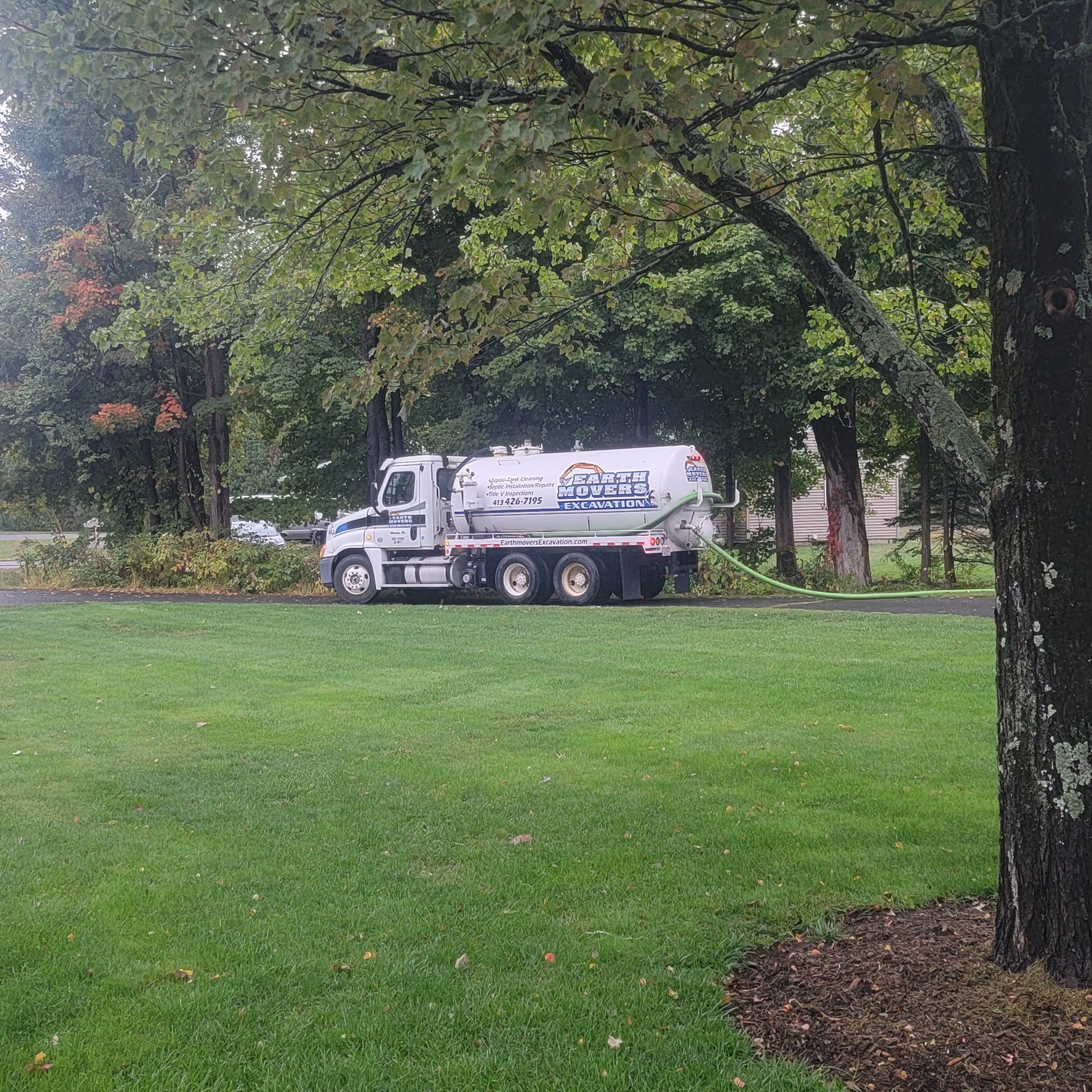
Slow Drains in a Septic Home: Is It a Clog or a Septic Problem?
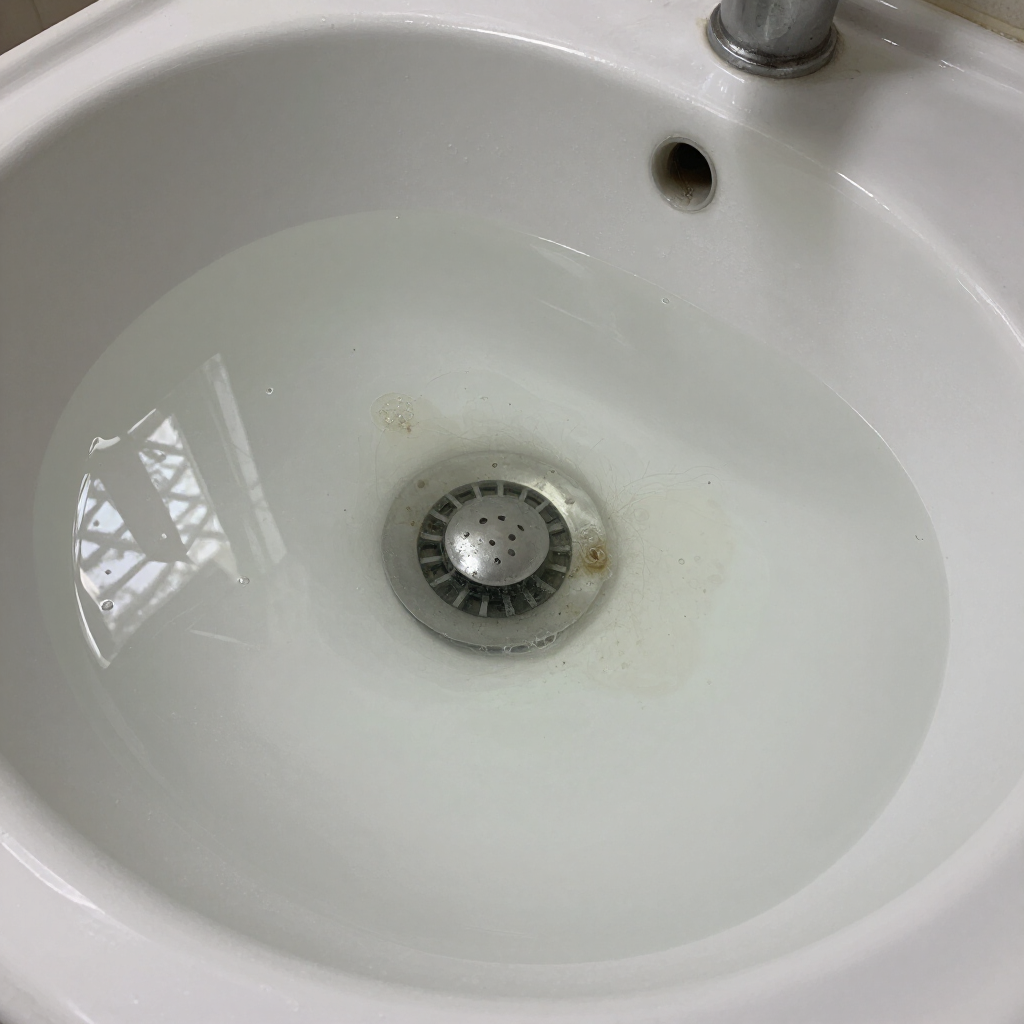
When you’re on a septic system, slow drains aren’t just annoying they can be an early warning sign that something is going wrong underground. Maybe your sinks and tubs used to drain quickly, and now everything seems to take forever. The big question is: are you dealing with a simple clog, or is your septic system starting to struggle?
In this guide, we’ll walk through how to tell the difference, what you can safely check yourself, and when it’s time to call a septic pro like Earth Movers.
Step 1: Is it one drain or the whole house?
The first thing to notice is how many fixtures are affected. If just one drain is slow like a single bathroom sink or shower it’s often a localized issue. Hair, soap scum, grease, and everyday buildup can narrow that one line. In those cases, a simple cleaning at the drain or trap may solve it.
If multiple drains are slow at the same time, that’s a different story. When sinks, tubs, and toilets across the house all start draining slowly, especially on different floors or ends of the home, the problem is usually farther down the line. In a septic home, that can mean:
- A blockage in the main drain line
- A septic tank that’s too full or overdue for pumping
- A problem at the outlet, filter, or drainfield
- That’s when you should start thinking “septic,” not just “clog.”
Step 2: Watch for septic warning signs
Slow drains are one clue, but septic systems usually send a few other signals when they’re in trouble. Pay attention to:
- Gurgling sounds in drains or toilets
- Sewage or “rotten egg” smells inside the house or outside near the tank or leach field
- Wet, soft, or unusually green patches in the yard above the septic area
- Wastewater backing up into tubs, showers, or floor drains
- Slow drains plus any of these signs means you should not ignore it. At that point, it’s not just a nuisance; it can become a health and property issue if left untreated.
Step 3: Common septic-related causes of slow drains
In septic homes, slow drains often trace back to one of a few root causes:
- The tank is overdue for pumping
Over time, solids build up in the tank. If it hasn’t been pumped in several years, there may not be enough room for wastewater to flow properly, and everything can start to slow down. - Outlet or filter issues
Many systems have outlet baffles or filters that keep solids from reaching the drainfield. If these parts clog up, they can restrict flow and create slow drainage throughout the house. - A stressed or failing drainfield
If the drainfield is saturated, compacted, or at the end of its life, it may not absorb water the way it should. That resistance in the field can show up as slow draining fixtures inside the home. - High water use or recent changes
A houseful of guests, more laundry, or new water-using fixtures can suddenly push a borderline system over the edge. What used to “work fine” might not keep up anymore.
You don’t need to diagnose all of this yourself, but understanding the possibilities helps you know why a septic inspection is worth it.
Step 4: What you can safely check yourself
There are a few simple things you can do before calling in help:
- Clean visible stoppers and strainers
Remove hair and debris from sink and shower drains if you can easily access them. - Avoid chemical drain cleaners
Those products can damage the helpful bacteria your septic system relies on. They might temporarily clear a small clog, but they can make septic issues worse over time. - Think about your pumping history
If you can’t remember the last time the tank was pumped, or if it’s been more than 3–5 years it’s very possible the system simply needs maintenance. - Ease up on water use
Until you know what’s going on, cut back on long showers, big laundry days, and running multiple fixtures at once. Giving the system a breather can prevent a full backup.
If a single drain clears up after a basic cleaning, you may have caught it early. But if multiple drains stay slow, or if any red flags appear, it’s time to move to the next step.
Step 5: When to call a septic professional
In septic homes, a general plumber can handle many indoor plumbing issues, but they often stop at the foundation. When the problem involves the tank or drainfield, you need a septic specialist.
You should call a septic pro if:
- More than one drain is slow, especially in different parts of the house
- You hear gurgling or smell sewage
- You see wet spots or changes in the yard above the septic area
- Any wastewater is backing up into the home
The earlier you call, the easier (and usually less expensive) the fix will be.
How Earth Movers helps with slow drains in septic homes
At Earth Movers, we specialize in both septic systems and the excavation work that goes with them. That means we can look at the whole picture, not just one pipe.
Here’s how we typically approach slow drains in a septic home:
- Talk through your symptoms
We start by asking which fixtures are slow, how long it’s been happening, whether anything has changed in your household, and when the tank was last pumped. - Inspect the system on site
We locate and inspect your tank, check for visible signs of trouble in the yard, and look at key components like the outlet, baffles, and (if present) filters. - Recommend the right next step
In some cases, a routine pump-out and minor adjustments are enough. In others, we may recommend further diagnostics or repairs to the drainfield or piping. Because we handle both septic work and excavation, we can manage everything from simple maintenance to full system replacement if it’s needed.
Serving septic homeowners in your area
Earth Movers is a local, family-owned company that has been serving septic homeowners since 2005. We provide septic pumping, inspections, repairs, and full system replacements in Wilbraham, Hampden, Ludlow, Palmer, Monson, East Longmeadow, and Longmeadow.
If your septic home’s drains have suddenly slowed down, you don’t have to guess what’s going on.
We can inspect your system, explain what we find in plain language, and help you get ahead of the problem before it turns into an emergency.
SHARE THIS POST